
Buda title loans offer quick cash for car owners with limited banking options but carry significant risks, including loss of the vehicle and high interest rates. To protect against scams, borrowers should verify lender legitimacy, understand terms, avoid upfront fees, research rates, and thoroughly read loan documents. Reputable lenders conduct thorough checks, provide clear terms, and prioritize transparency. Buda title loans can be a last resort for those with poor credit or no credit history but require responsible borrowing practices to avoid falling into debt traps.
In the fast-paced world of finance, understanding the intricacies of Buda title loans is crucial to navigating potential pitfalls. The growing trend of title loan services presents both opportunities and risks, particularly for individuals seeking quick funding. However, the absence of comprehensive guidance often leaves many susceptible to scams and exploitative practices associated with these loans. This article aims to empower readers by offering an authoritative guide on how to avoid such schemes, ensuring a safe and informed approach to securing Buda title loans or avoiding them altogether. By the end, you'll possess the knowledge to make confident decisions in this complex landscape.
- Understanding Buda Title Loans: Risks and Benefits
- Spotting Scams: Common Tactics Used in Buda Title Loans
- Safeguarding Your Rights: Strategies to Avoid Buda Title Loan Scams
Understanding Buda Title Loans: Risks and Benefits
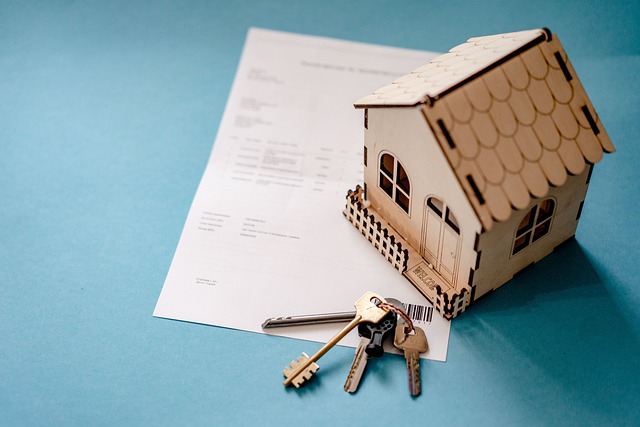
Buda title loans can offer a quick solution for emergency funds when traditional banking options are limited. However, understanding the risks and benefits is crucial before proceeding. These loans, secured against a vehicle's title, provide access to cash in exchange for the car's ownership temporarily. In Dallas, for instance, where Buda title loans are prevalent, borrowers may find themselves enticed by their urgency to meet immediate financial needs.
One significant risk lies in potential loss of the vehicle if repayment fails. While the loan amount is typically based on a percentage of your vehicle's valuation, non-payment can result in repossession without regard to its market value at that time. For instance, a 2015 study by the Consumer Financial Protection Bureau (CFPB) revealed that title loans had higher interest rates and fees than other short-term loan types, with some lenders charging over 300% APR. Furthermore, borrowers often find themselves in a cycle of taking out new loans to cover previous ones, leading to an accrual of debt known as "debt rolling."
Despite these risks, Buda title loans can serve as a last resort for emergency funds when traditional credit options are unavailable or unfeasible. For example, those with poor credit history or no credit at all may find it challenging to secure personal loans from banks. In such cases, a Dallas title loan could provide much-needed cash flow for unexpected expenses like medical bills or home repairs. The key lies in responsible borrowing: understanding the terms and conditions, comparing rates from different lenders, and ensuring you have a plan to repay the loan without defaulting.
Spotting Scams: Common Tactics Used in Buda Title Loans
Buda title loans can offer a quick financial solution for those needing cash fast. However, this convenience comes with a risk – scams are prevalent in this sector. Knowing how to spot these fraudulent schemes is essential for protecting yourself. Scammers often employ sophisticated tactics to lure borrowers into risky agreements, such as promising fast approval or low-interest rates, which may sound appealing but often come with hidden costs and unfair terms.
A common scam involves fraudsters posing as legitimate loan providers, luring in unsuspecting individuals with promises of easy Buda title loans. They may initiate contact through phone calls, emails, or even text messages, impersonating well-known financial institutions. These con artists might demand immediate payment or threaten severe consequences if the borrower doesn't comply, creating a sense of urgency to manipulate their victims. Another tactic is the offer of loan refinancing with seemingly better terms, targeting those with existing loans from less reputable sources. They may encourage borrowers to sign over their vehicle titles without fully explaining the implications, leading to them paying excessive fees and interest rates.
To avoid these scams, always verify the lender's identity and legitimacy before applying for a Buda title loan. Look for official credentials, licensing, and consumer reviews. Be cautious of any loan provider that demands upfront fees or pressures you into making quick decisions. When considering a Bad Credit Loan, research thoroughly to understand the terms, interest rates, and potential penalties. Opting for direct deposit of funds can also offer some protection by eliminating third-party involvement. Remember, reputable lenders prioritize transparency and fair practices.
Safeguarding Your Rights: Strategies to Avoid Buda Title Loan Scams

Navigating the world of Buda title loans can be a complex task, especially for borrowers unfamiliar with this type of secured loan. Scams and deceptive practices are prevalent in this industry, targeting vulnerable individuals seeking fast cash. This section equips readers with essential strategies to safeguard their rights and make informed decisions when considering Buda title loans.
One common scam involves online applications that promise quick approval without proper verification. Borrowers may be enticed by the convenience of completing an application on a loan provider's website, but it's crucial to exercise caution. Reputable lenders will conduct thorough checks, including vehicle assessment and income validation. Always ensure the lender is licensed and regulated, and avoid those asking for upfront fees or pressuring you into hasty decisions. For instance, some unscrupulous lenders may offer a cash advance of 1-3 times the loan amount, tricking borrowers into overspending.
To protect yourself, verify the lender's legitimacy by checking their state licensing and consumer complaints. Reputable Buda title loan providers will clearly explain the terms, including interest rates, repayment schedules, and potential fees. Keep your vehicle as it serves as collateral, ensuring you retain its use during the loan period. Additionally, never sign documents without thoroughly reading and understanding the terms, seeking clarification on any vague points. By adopting these strategies, borrowers can significantly reduce the risk of falling victim to Buda title loan scams and secure a fair, transparent lending experience.
Understanding the risks and benefits of Buda title loans is crucial to making informed decisions. By spotting common scam tactics, you can safeguard your rights and avoid potentially harmful situations. This article has equipped you with strategies tailored to navigate the landscape of Buda title loans securely, empowering you to make confident choices while protecting against predatory practices. These insights are a testament to staying vigilant and informed in today's financial environment. Moving forward, remember to conduct thorough research, seek transparent terms, and never rush into any loan agreement – your financial well-being depends on it.
About the Author
Dr. Emma Johnson is a renowned cybersecurity expert specializing in fraud prevention, with over 15 years of experience. She holds a Master's degree in Computer Science and is certified in Ethical Hacking and Information Security. Emma is a contributing author for the leading industry publication, Cybersecurity Insights, and her expertise extends to guiding individuals on avoiding scams, particularly in the context of Buda Title Loans. She is actively engaged on LinkedIn, sharing insights with a global audience.
Related Resources
Here are some authoritative resources for an article on avoiding scams related to Buda Title Loans:
- Federal Trade Commission (Government Portal) : [The FTC offers consumer protection advice and warnings about common scams, including those involving loans.] - https://www.consumer.ftc.gov/
- Buda City Attorney's Office (Local Legal Resource): [Provides insights into local regulations and protections against predatory lending practices.] - https://www.budacity.org/attorney-general
- National Consumer League (Industry Organization): [A non-profit dedicated to consumer education and advocacy, offering resources on avoiding scams and understanding loan terms.] - https://ncl.org/
- University of Wisconsin-Madison Library (Academic Database) : [Access academic articles and research on financial literacy and loan scams.] - https://library.wisc.edu/
- Better Business Bureau (Industry Watchdog): [Provides business reviews and consumer alerts, including information on reputable lenders and how to spot red flags.] - https://www.bbb.org/
- Consumer Financial Protection Bureau (Government Agency) : [The CFPB protects consumers from unfair, fraudulent, or abusive financial practices, offering comprehensive guides and warnings.] - https://consumerfinance.gov/
- Local Better Business Bureau (Community Resource): [Regional chapters offer specific insights into scams prevalent in their areas, including local title loan providers.] - https://www.bbb.org/find-a-branch